

Caring tips
Heat Waves: 7 Signs an Older Adult Is Struggling With the Heat
Scroll down
1 June 2026
|
4 min
Older adults feel thirst less acutely and regulate body temperature less efficiently. Here's how to catch heatstroke early, and what to do before the situation turns into an emergency.
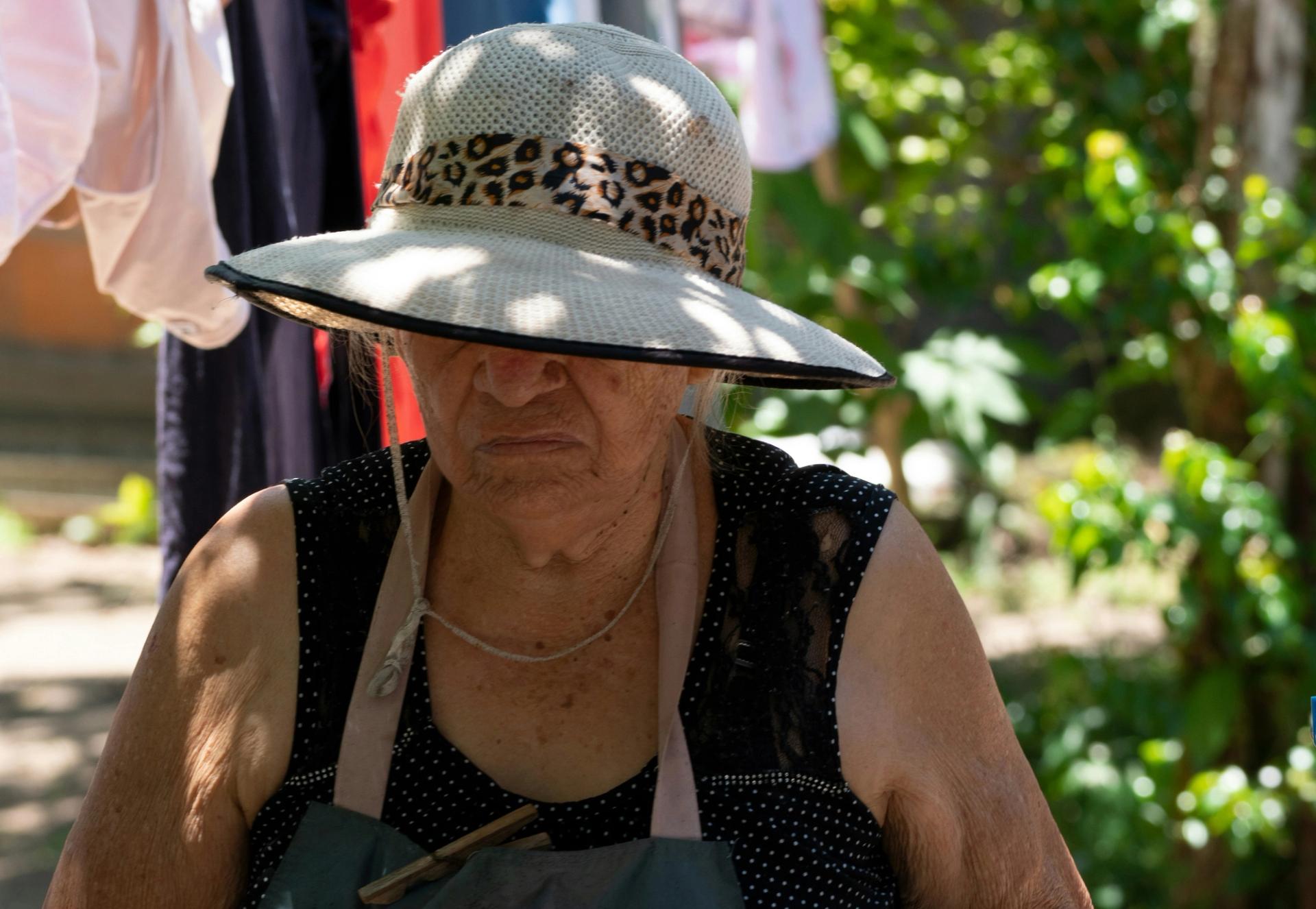
Heatstroke in an older adult is a medical emergency that occurs when the body can no longer release heat and its core temperature climbs above 40°C (104°F). In seniors, it sets in faster and more quietly than in younger adults: the sensation of thirst fades with age, sweating becomes less effective, and several common medications (diuretics, blood-pressure drugs) interfere with temperature regulation. A person can decline without realizing it.
During a heat wave in Quebec, catching the early signs makes all the difference. Here they are.
The 7 signs to watch for
- Confusion or unusual behaviour: disorientation, rambling speech, abnormal daytime drowsiness.
- Hot, red, dry skin: sweating may stop altogether, a sign things are worsening.
- Headache and dizziness: often with weakness when standing up.
- Muscle cramps: in the legs, arms or abdomen.
- Nausea or loss of appetite: refusing food or drink despite the heat.
- Rapid pulse and shallow breathing: the heart races to compensate.
- Dark, infrequent urine: a reliable marker of dehydration.
A single sign deserves your attention. Two or more: act immediately.
The right steps, in order
Move the person to a cool or air-conditioned space. Offer water in small sips (never force it if they are confused). Cool the skin with damp cloths on the neck, armpits and groin. Remove unnecessary clothing. Stay with them and monitor closely.
When to call for help: dial 811 (Info-Santé) for advice if symptoms are mild and you're unsure. Dial 911 right away for marked confusion, loss of consciousness, vomiting, or hot, dry skin.
Prevention beats treatment
The best protection is daily vigilance during heat episodes: encourage regular drinking even without thirst, keep the home cool, limit outings to cooler hours, and check in with a call or visit every day. For a senior living alone, that regular presence is often what's missing — and it's exactly what a senior autonomy support service can provide, alongside family. For official heat-wave guidance, see Quebec's National Institute of Public Health (INSPQ).
Frequently asked questions
What temperature is dangerous for an older adult? Risk rises sharply above 31°C during the day, especially when nights stay warm (over 20°C) and humidity is high, leaving the body no time to recover.
How much water should a senior drink during a heat wave? Generally 1.5 to 2 litres spread across the day, barring medical restrictions. Frequent small amounts beat one large glass.
Is a fan enough? Above roughly 35°C, a fan simply circulates hot air and becomes ineffective. An air-conditioned space (mall, library, residence) is far better.
Worried about an older relative living alone this summer? Learn how regular at-home support can keep them safe — talk to our team.