

Caring tips
Aging at Home: How to Strengthen Safety for Seniors Living Alone
Scroll down
11 April 2026
|
4 min
Keeping a senior safe while living alone requires a comprehensive approach: fall prevention, fraud awareness, social connection, and the thoughtful use of supportive technologies. Learn how a well‑adapted home environment and in‑home assistance can reduce risks and help seniors remain safely and confidently in their own homes.
For many older adults, aging at home represents stability, comfort, and independence. However, when someone lives alone, certain risks become more significant: falls, fraud, social isolation, and difficulty recognizing early signs of health decline.
Today, senior safety at home relies on a careful balance between human presence, an adapted environment, and prevention, protecting independence without restricting it.
Falls: A Major Issue in Aging at Home
Falls remain one of the leading causes of hospitalization among older adults. As highlighted by L’Appui pour les proches aidants, many accidents can be prevented through simple daily actions such as clearing walkways, improving lighting, and securing the bathroom.
Their guide on fall prevention at home outlines practical adjustments that can make a meaningful difference in the safety of seniors living alone.
From a public health perspective, the Institut national de santé publique du Québec (INSPQ) reminds us that falls are often linked to a combination of factors: balance loss, medication side effects, and unsafe home layouts. According to INSPQ, reviewing medications, installing grab bars, and adapting key areas of the home can significantly reduce risks, especially for individuals experiencing loss of autonomy.
Teams from the CIUSSS de l’Est-de-l’Île-de-Montréal also emphasize the importance of a well-organized environment and appropriate support during more demanding movements, such as transferring from bed to chair or navigating the bathroom. Their approach demonstrates how simple adjustments can prevent common incidents that sometimes have serious consequences.
Fall prevention does not stop at the doorstep. The Government of Canada reminds us that outdoor outing, particularly during winter, pose increased risks for seniors living alone. Practical measures, such as wearing appropriate footwear and planning safe outings, help reduce these risks and preserve confidence when going outside.
Fraud: A Growing Threat to Older Adults
Fraud targeting seniors is increasing and becoming more sophisticated. Phone calls impersonating a distressed family member, fake banking or government representatives, emails designed to mimic official communications, the scenarios are numerous and often crafted to create urgency or fear.
As the Government of Quebec explains in its information on fraud targeting seniors, these schemes frequently exploit trust, isolation, or age-related vulnerability. Learning to recognize the warning signs and respond quickly is one of the most effective ways to stay protected.
Seniors who live alone may be especially vulnerable, as they sometimes have less immediate support to validate suspicious information. According to organizations such as Ma Résidence Retraite, fraudsters often target isolated individuals, knowing they may be less likely to consult a loved one before acting.
Telephone scams remain particularly common. The FADOQ Network regularly warns against these practices, reminding seniors that legitimate institutions will never request personal or banking information over the phone. Their fraud awareness resources stress the importance of hanging up, taking time to verify information, and never acting under pressure.
Encouraging an older loved one to avoid sharing confidential information, to verify unusual requests, and to speak promptly with a family member or trusted professional is essential. Regular in-home support also plays an important role, helping identify behavioral changes, unusual concerns, or situations that may indicate a fraud attempt.
Social Isolation: An Invisible but Very Real Risk
Prolonged isolation can significantly affect mental health, cognitive function, and even physical health in older adults. A person living alone who goes out less frequently or receives fewer visits may gradually lose interest in activities, eat less well, or hesitate to report health concerns.
Maintaining regular connections, through phone calls, visits, or accompaniment to appointments, plays a key role in reducing isolation. Home care services also contribute to overall well-being by offering a reassuring presence and remaining attentive to signs of fatigue, loss of appetite, or declining morale.
Technology: A Discreet Ally for Safer Living at Home
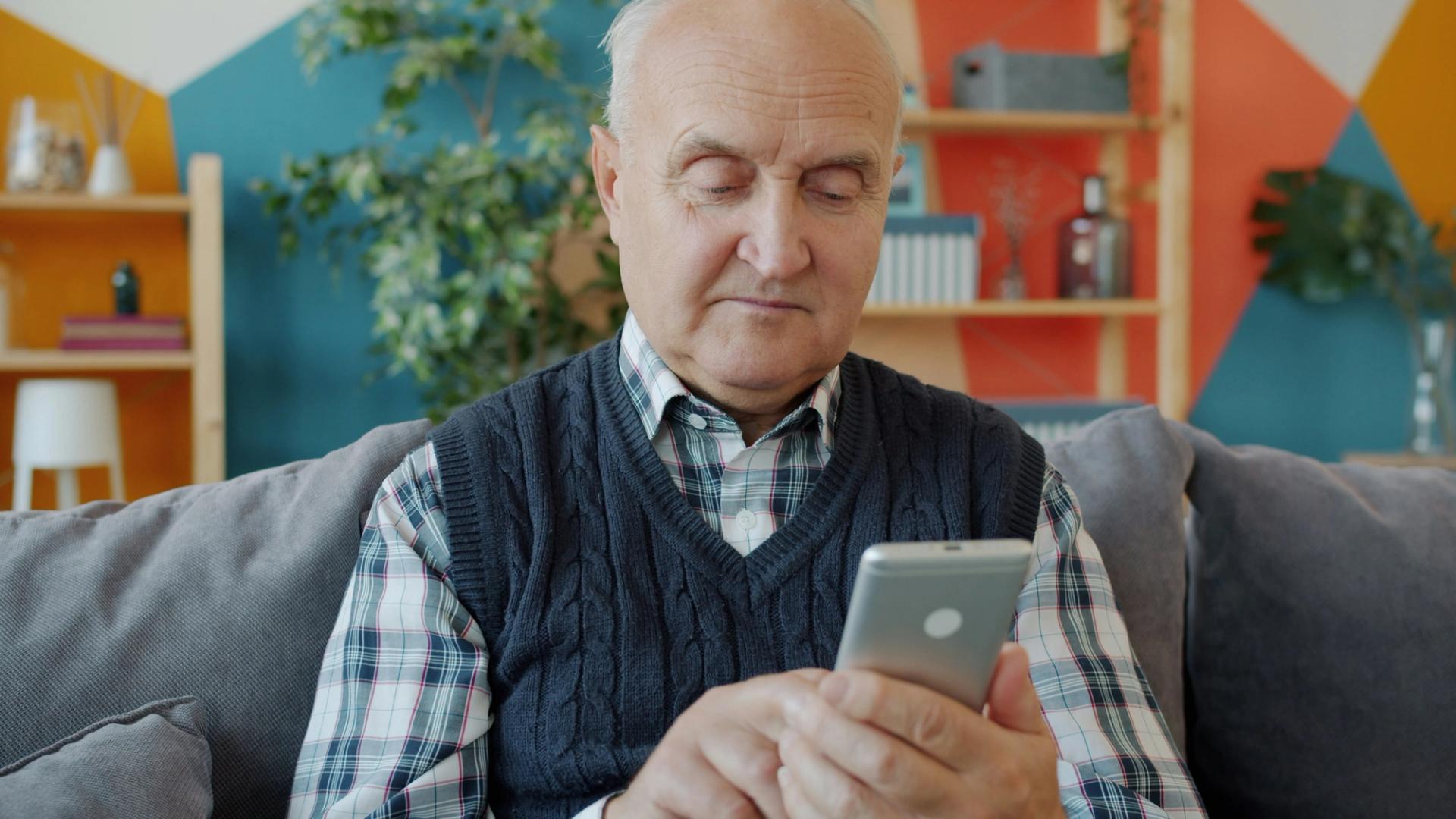
When thoughtfully integrated, technology can play a valuable role in supporting the safety of seniors living at home, without compromising autonomy or privacy. It provides an additional layer of prevention, particularly for individuals living alone.
As noted by the Government of Quebec in its resources on senior safety at home, certain technological tools can help detect risk situations more quickly and facilitate timely intervention, while respecting an individual’s daily routines and preferences.
These solutions may include devices that detect falls, signal unusual inactivity, or send alerts in abnormal situations. Such tools can reassure families and support home care teams by helping them identify sudden changes in daily patterns.
When integrated into human support services, these technologies never replace presence, listening, or companionship. Instead, they serve as a discreet complement, strengthening prevention, enhancing peace of mind for families, and supporting longer-term aging in place.
Always with Respect for Privacy
The use of technological tools must always be based on informed consent. Their purpose is to assist, not to monitor. They should remain simple to use, clearly explained, and implemented within a framework that respects privacy and dignity.
When Should You Consider Home Care Support?
It may be appropriate to seek additional support if you observe:
- Recent falls or increasing balance issues
- A loss of confidence when moving independently
- Incidents related to fraud attempts
- Growing social isolation
- Frequent forgetfulness or changes in routine
- Increasing concern from family members
A home assessment can provide a comprehensive overview of the situation, including health status, living environment, daily organization, and preventive tools, in order to develop a personalized, respectful, and balanced support plan.
Ensuring the safety of seniors living alone requires a comprehensive approach: adapting the home environment, strengthening human presence, prioritizing prevention, integrating appropriate technology, and maintaining meaningful social connections.
Together, these actions create a safer, more reassuring, and deeply human environment, allowing seniors to continue living where they feel most at ease: at home.