


Caring tips
How to Choose the Best Connected Bracelet for Seniors
Scroll down
26 November 2025
|
4 min
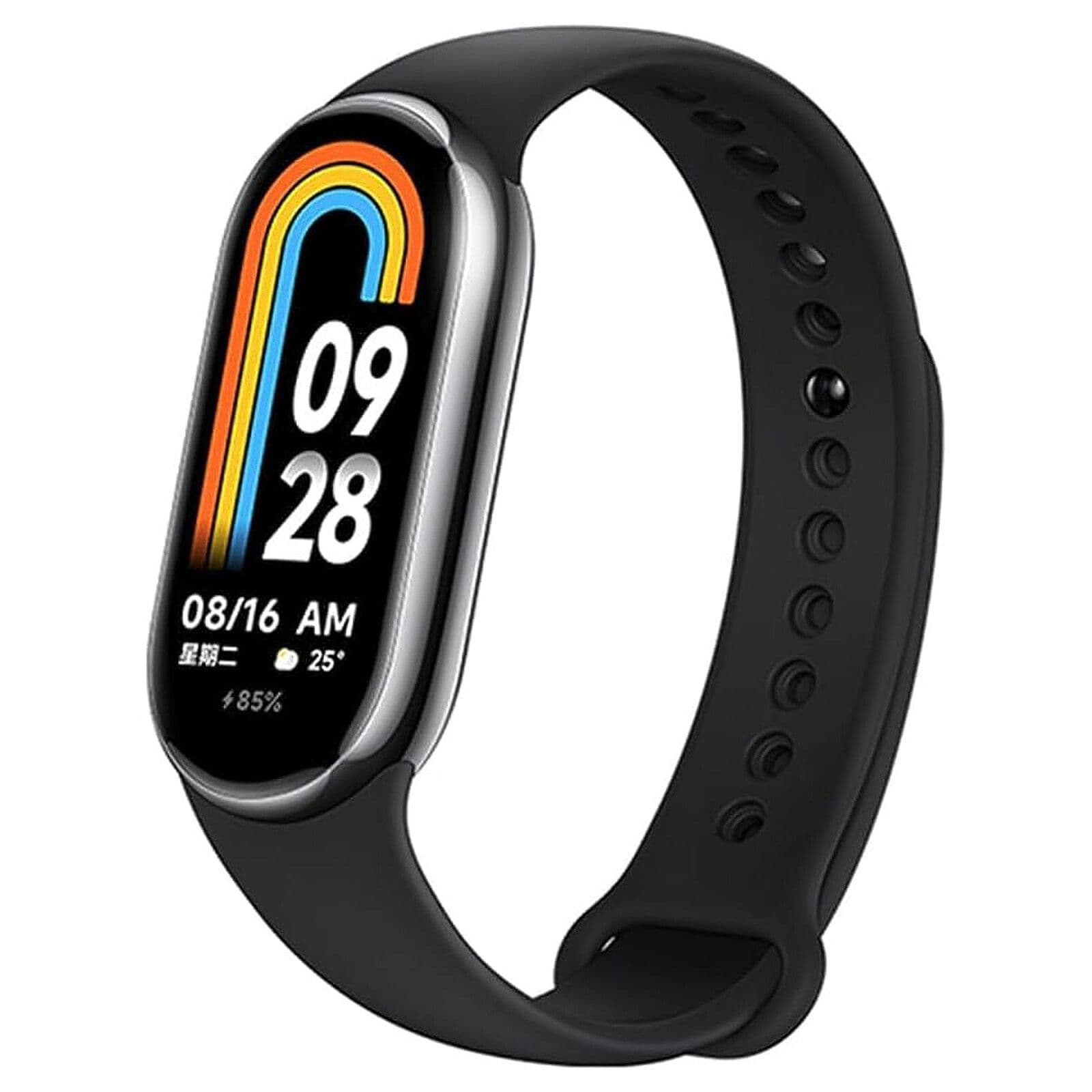
Connected bracelets have become invaluable tools for ensuring the safety and well-being of seniors. With features such as fall detection, health monitoring, and emergency alerts, they allow seniors to maintain a degree of independence while reassuring their loved ones. But with the wide variety of models available, how do you choose the connected bracelet that best suits a senior’s specific needs? Here’s a practical guide to help you make the right decision.
1. Identify the User’s Specific Needs
Before selecting a connected bracelet, it’s essential to assess the user’s needs and lifestyle. Ask the following questions:
- What is the person’s level of independence?
If the individual is still highly mobile, a bracelet focused on health and activity tracking may suffice. For a more vulnerable person, prioritize models with fall detection and geolocation features. - Main usage: indoor or outdoor?
Bracelets with GPS are indispensable for outdoor mobility, while others might be suitable for domestic use only. - Is the person comfortable with technology?
Choose an intuitive model with a simple interface and accessible buttons.
2. Key Features to Consider
A good connected bracelet should offer features tailored to seniors' needs. Here are the essential ones:
- Fall Detection
This feature automatically alerts family members or a service center in the event of a fall. It's ideal for individuals living alone. - Emergency Button
An SOS button allows immediate contact with a family member or help center in case of an emergency. - Geolocation (GPS)
For seniors with cognitive issues, this function ensures they can be quickly located if needed. - Health Monitoring
Some bracelets track heart rate, sleep quality, activity levels, and even oxygen saturation. - Medical Alerts
Certain models provide reminders for medication or medical appointments.
3. Comfort and Ergonomics
Comfort is critical since the bracelet will be worn continuously. Key aspects to check include:
- Weight and Size: Opt for a lightweight model suitable for fragile wrists.
- Adjustable Strap: Ensure it can be easily adjusted to fit all wrist sizes.
- Water Resistance: Choose water-resistant models for worry-free use, even in the shower.
4. Battery Life and Ease of Use
A connected bracelet should be easy to use for seniors and require minimal maintenance:
- Battery Life: Select a model with at least a week of battery life to avoid frequent recharging.
- Simple Controls: Buttons should be easy to handle, with clear and visible alerts.
- Setup and Maintenance: Some models require initial configuration or subscriptions, so ensure these match the capabilities of the user or their caregiver.
5. Comparing Prices and Subscriptions
Prices for connected bracelets generally range from $150 to $400, depending on features. Some require monthly subscriptions for services like geolocation or emergency assistance.
- Models without Subscriptions: Ideal for tighter budgets but often with fewer advanced features.
- Models with Subscriptions: Usually include 24/7 assistance services, particularly beneficial for vulnerable seniors.
6. Evaluate Additional Services
Some connected bracelets offer complementary services, such as:
- 24/7 Assistance: A call center ready to respond in emergencies.
- Family Notifications: Automatic alerts sent to family members in case of an issue.
- Behavior Tracking: Analysis of changes in the user’s habits to detect potential problems.
7. Test Before Purchasing
Whenever possible, test the bracelet before buying to check:
- Its comfort on the wrist.
- The clarity of alerts and notifications.
- The ease of navigating the menus.
Helpful Resource: Explore comparisons on websites like Protégez-Vous or specialty retailers to find the best-rated models.
8. A Human Presence as a Complement
While connected bracelets are an innovative solution to enhance seniors' safety, they cannot replace human presence. For families or caregivers, home care services provide additional peace of mind:
- Daily Assistance: Help with household tasks, hygiene, or mobility.
- Reassuring Presence: Reducing isolation for seniors.
Learn More: Explore tailored solutions at Bien Chez Soi or L’Appui for Caregivers.
Our Selection of Connected Bracelets for Seniors
Here’s a list of connected bracelets tailored to seniors' needs, available in Quebec:
Philips Lifeline GoSafe 2
- Features: Automatic fall detection, emergency button, integrated GPS.
- Advantages: Connected to a 24/7 assistance service, ideal for seniors living alone.
Fitbit Charge 5
- Features: Heart rate monitoring, sleep quality tracking, stress management.
- Advantages: Designed for active seniors who want to monitor their health.
Galaxy Watch Active 2
- Features: Fall detection, ECG, irregular heartbeat notifications.
- Advantages: A versatile and stylish model with excellent connectivity.
Conclusion
Choosing a connected bracelet for a senior involves considering their specific needs, level of independence, and comfort. These devices are an excellent complement for ensuring safety and peace of mind, but they should be part of a broader support system, including human presence when needed.
Ready to offer more than just technology? Explore home care solutions for personalized and reassuring support.